
Original or Compatible Charger: Which Should You Choose?
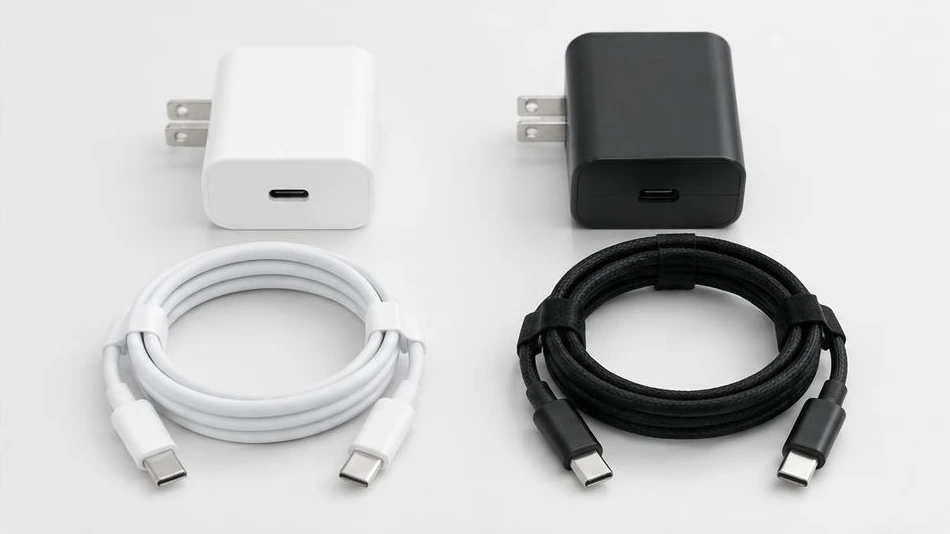
A charger must be compatible and safe, whether it is original or from a reliable third-party brand. The connector alone does not prove compatibility.
Check the specifications
Check the voltage, power and charging protocols supported by the device. For a computer, polarity and the connector also matter. With USB-C, the power supply and cable must support the hardware's requirements. Consult the manufacturer's recommendations rather than trying chargers at random.
Prioritize verifiable quality
Buy from an identifiable seller and ask for proof of purchase. A good-quality compatible charger may be suitable; an untraceable imitation carries greater risks. Printed markings are not always enough to establish reliability. Avoid loose plugs, cracked casings and cables with exposed wires.
Monitor use
Unplug a charger that becomes unusually hot, makes noise or gives off an odor. Use it in a ventilated area without covering it. A more powerful charger does not necessarily charge faster: the device negotiates what it can accept. If charging remains unstable with a compatible charger and cable, have the connector and battery examined.
Advice tailored to your device
For a diagnosis, contact Dev-IT Solution with the model, symptoms and tests already carried out. Back up your data when it is safe to do so. This general advice is not a substitute for examining the device.